Junk Food Graphic Pack Review
As a designer who’s spent years working with machine embroidery designs, I always approach new graphic packs with a critical eye. The Junk Food Graphic Pack promises a fun and colorful collection of fast food illustrations, but how does it hold up in real-world embroidery projects? Let’s break it down.
First Impressions: A Playful Visual Language
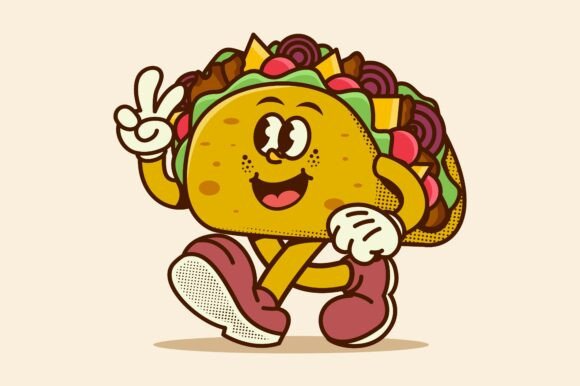
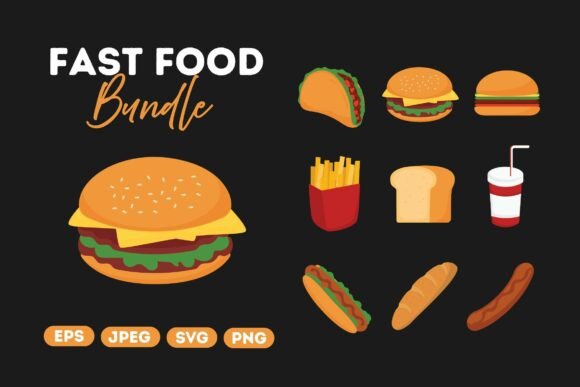
The Junk Food Graphic Pack immediately sets a lighthearted tone. The illustrations are bold, vibrant, and clearly inspired by classic fast food icons. From burgers to fries, each design has a clear visual personality—think cartoonish, stylized shapes that feel instantly recognizable. The layout is clean, with plenty of space between elements, making it easy to work with in various formats.
The detail level is moderate, with enough texture to make the graphics pop without being overly complex. This makes the pack ideal for custom apparel, tote bags, and other items where clarity and simplicity are key. It’s not the kind of design you’d use for intricate needlepoint, but it shines in more casual, playful applications.
Real-World Embroidery Use Cases
When considering how the Junk Food Graphic Pack performs in actual embroidery situations, it’s clear this is a design meant for casual, everyday use. Whether you're creating a custom sweatshirt, a baby onesie, or an embroidered patch, the designs translate well into stitch form.
For example, imagine a small shop owner looking to create a line of personalized tote bags for a local café. The Junk Food Graphic Pack offers a range of designs that could easily be stitched onto fabric, providing a fun and eye-catching element that customers would love. The colors are bright and engaging, which helps the design stand out on both light and dark fabrics.
It also works well for holiday gifts or themed merchandise. A set of embroidered kitchen towels featuring a burger or fries could make a great gift for food lovers, while a series of applique designs could be used for a craft fair booth or Etsy listing.
Where to Be Cautious
While the Junk Food Graphic Pack is versatile, there are a few areas where care is needed. For instance, if you're working with small hoop sizes, some of the larger designs may require splitting or resizing. Thin or stretchy fabrics can also be a challenge, as the stitch density might cause puckering or distortion.
Dark fabrics can be tricky too. While the designs are colorful, they may not show up as well on black or navy backgrounds unless the thread colors are carefully selected. Similarly, detailed corners or tiny lettering might get lost in dense stitch areas, so it's important to test the design on scrap fabric before committing to a finished product.
For layered garments or curved surfaces like caps, the design may need some adjustments to ensure proper placement and stitching. And for commercial projects, it's essential to verify the licensing terms before selling any finished items or digital products.
Impact on Visual Appeal and Customer Perception
The Junk Food Graphic Pack adds a strong visual appeal to any project. Its playful style is instantly recognizable, making it a great choice for handmade products that aim to stand out. When stitched onto a tote bag or sweatshirt, it creates a sense of fun and familiarity that many customers will appreciate.
Stitching clarity is generally good, though it depends on the fabric and stabilizer used. Proper technique ensures that the design remains sharp and legible. This is especially important for small shop products or Etsy listings, where presentation plays a big role in buyer engagement.
From a branding perspective, the designs help maintain consistency across different products. A bakery or café could use them to create a cohesive look for their merchandise, from aprons to promotional items. The same applies to craft businesses looking to build a recognizable aesthetic.
Practical Designer Notes
Before using the Junk Food Graphic Pack in any project, I recommend testing it on scrap fabric. This helps identify any issues with stitch density, thread color contrast, or stabilizer needs. It’s also wise to review the design in black and white mockups to see how it looks without the color.
Check whether the design works on both light and dark fabrics, and confirm that it’s suitable for your intended project—whether that’s a custom apparel piece, a baby item, or a holiday gift. Make sure the hoop size matches your machine’s capabilities, and don’t forget to use the right stabilizer for the fabric type.
Finally, always double-check the licensing terms if you plan to sell finished items or digital products. Even though the Junk Food Graphic Pack seems ready for use, it’s better to be safe than sorry when it comes to commercial applications.
Conclusion: A Fun and Functional Choice
The Junk Food Graphic Pack is a solid addition to any designer’s toolkit, especially for those looking to create playful, engaging embroidery projects. Its vibrant visuals and clean layout make it ideal for custom apparel, tote bags, and small business merchandise. While it requires some care in certain applications, the overall quality and versatility make it a worthwhile investment.